








UAB “Vičiūnai ir partneriai”: The Journey of Salmon

At the store, we simply reach out and pick up a pack of salted or smoked pink delicacy to enjoy at home. But before salmon reaches our table, it goes through a long and complex journey.
The new UAB “Vičiūnai ir partneriai” salmon processing plant—an investment exceeding 100 million euros—will become a place where the latest and most advanced technologies ensure that the salmon we eat is processed sustainably, with exceptional hygiene, quality, and gourmet precision.
The process—from a tiny egg in fresh water to a fully grown salmon in the sea—takes up to three years. During this time, salmon grow to the desired weight of 4–5 kg, becoming one of the most valuable commercial fish species and a worldwide delicacy. By investing in this new factory, UAB “Vičiūnai ir partneriai” will not only become one of Europe’s largest fish processors but also significantly contribute to creating and maintaining a more sustainable living environment.
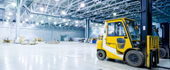
A hobby fisherman is used to cleaning and preparing his own catch. But the salmon that arrives from sea farms undergoes up to eight processing operations before becoming ready-to-eat in the factory, spending around 24 hours in the processing cycle. The new factory will feature the most advanced salmon processing technologies and packaging capabilities, enabling the company to deliver high-quality, delicious food that meets the strictest sustainability standards.
A New Factory and Its People
“The new factory will operate with exceptional flexibility and adaptability,” says Artūras Rudgalvis, Director of UAB “Vičiūnai ir partneriai.” “It will handle all salmonid species—not only Atlantic salmon but also humpback salmon, chum salmon, trout, and sockeye. Such flexibility will minimize dependence on seasonal fishing, while the exceptional level of automation will ensure practically zero microbiological contamination, outstanding productivity, improved employee ergonomics, and increased competitiveness in the market.”
Today, UAB “Vičiūnai ir partneriai” employs more than 50 different specialists overseeing and managing fish processing operations. The company has chosen to automate and robotize the most complex and physically demanding parts of production, ensuring better working conditions and reducing operational strain on employees.
“We reviewed the entire production process from scratch,” says Andrius Dombrauskas, Head of the Technology Division. “From the arrival of fish from Norway or other farming countries to the moment packaged delicacies are loaded for global distribution. We especially focused on tasks requiring physical strength or endurance—the most exhausting operations. Robots were installed wherever work would be uncomfortable for a human. Our goal is not only efficiency but also employee satisfaction. No detail was overlooked: the air employees breathe will be cleaner, tasks easier, and the environment more sustainable.”
A factory capable of processing 25 fish per minute will allow employees to choose the workplace and conditions best suited to them. Those who wish will have opportunities to advance and gain higher qualifications—and higher pay. Across the new Vičiūnai Group factory, more than 800 new jobs are expected to be created.
Construction Meets the Highest BREEAM Standards
Even during the design phase, the company committed to ensuring that the new factory meets the highest sustainability standards, including BREEAM (Building Research Establishment Environmental Assessment Method), one of the oldest and most widely used environmental certification systems in the world.
BREEAM evaluates a building’s ecological, social, and economic impact throughout its entire life cycle—from design to operation. It assesses energy efficiency, water use, waste management, environmental impact of construction materials, health and comfort, green spaces, and more. The factory aims to achieve an “Outstanding” rating, the highest of the five BREEAM levels.
“Following BREEAM standards is part of our group’s commitment to society,” says Evaldas Skierus, Technical Director at UAB “Vičiūnai ir partneriai.” “Together with more than 20 project and construction partners, we aim to minimize environmental impact and maximize employee well-being. Our goal is for the new factory to become an attractive employer, a respected partner, and a strong pillar of the community—fully aligned with the DNA and core values of our group.”
The factory—designed to produce some of the most environmentally sustainable proteins—will feature many new solutions aligned with the highest sustainability standards. It will operate without gas, rely extensively on renewable energy, and use the latest systems for energy management, heating optimization, waste extraction, air circulation, and chemical cleaning dosage.
Technologies Ahead of Their Time
The new factory will process more than three times the amount of salmon handled today. To achieve this, the company selected innovative technologies from the world’s most reliable equipment manufacturers.
“We aim not only to grow in scale but also in depth,” says Artūras Rudgalvis. “Awards won at international exhibitions for our recipes will allow us to bring unique ideas into full production—ideas that our partners and customers around the world already appreciate and eagerly await. Today, our products are exported to more than 60 countries, and we plan to expand further across Europe, Asia, and both Americas.”
Customers highly value the naturalness of ingredients and the perfectionism of UAB “Vičiūnai ir partneriai” processes. Using only top-quality raw materials and carefully monitoring color, texture, and flavor ensures that the company remains one of Europe’s largest salmon product suppliers—and is well-positioned to expand its market share even further.
In total, more than 50 partners and suppliers are involved in the factory's design, construction, commissioning, and operational stages, along with more than 500 employees contributing to this major project. The factory will create hundreds of jobs in the region, generate millions in taxes, and support the development of a responsible and sustainable community.